Get Chimney Installation
Chimney installation services help property owners replace, repair, or install chimneys for fireplaces, wood stoves, or heating systems, solving safety and functionality issues.
If you are considering chimney installation for your property, you are in the right place to explore your options. Property owners in the area often look into chimney work for practical reasons such as enhancing heating efficiency, improving indoor comfort, or updating the aesthetic appeal of their homes. Whether planning a new construction project or upgrading an existing structure, understanding the available local contractors can help ensure the job is handled properly and to your specifications. Continuing to read can provide valuable insights into how to approach your project and connect with experienced service providers.
Comparing local contractors for chimney installation allows property owners to evaluate different approaches, expertise, and service offerings. Finding the right professionals can make a significant difference in achieving a durable, functional chimney that meets your property’s needs. As you explore your options, gathering information about the local service providers can help you make informed decisions and identify the best fit for your project. Keep reading to learn more about how local pros can assist with your chimney installation needs.
- Chimney Cap Installation - needed when protecting a chimney from debris, animals, or weather damage.
- Chimney Relining - required when upgrading or repairing an aging or damaged chimney liner.
- Chimney Sweeping and Cleaning - essential for removing soot buildup to ensure safe and efficient fireplace use.
- Chimney Repair Services - necessary for fixing cracks, leaks, or structural issues in a chimney system.
- Chimney Waterproofing - recommended to prevent water intrusion and damage to the chimney structure.

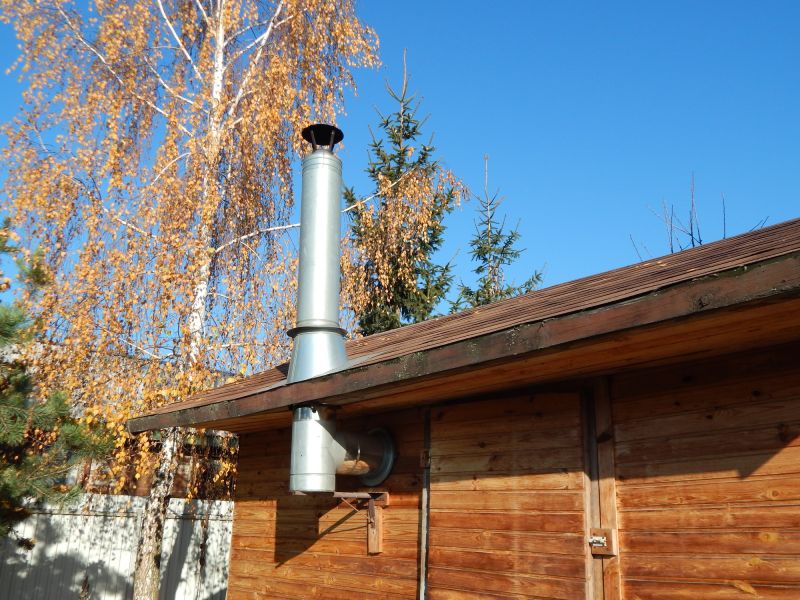
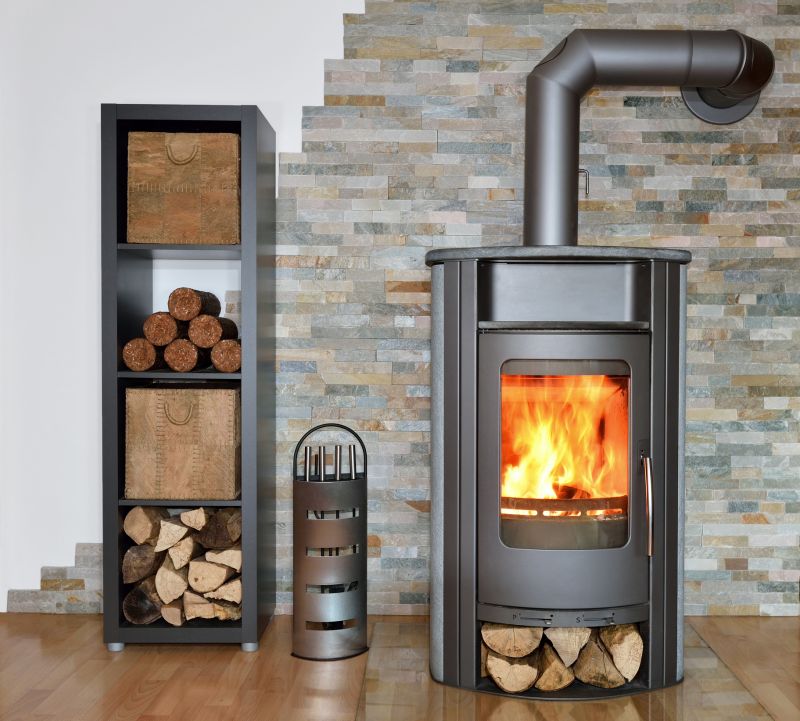
Chimney installation services involve constructing or upgrading a chimney system to ensure safe and effective venting of smoke and gases from fireplaces, wood stoves, or heating appliances. This process typically includes designing the chimney layout, selecting appropriate materials, and properly integrating the structure with the property. Skilled contractors focus on creating a secure and functional chimney that meets building standards and provides reliable operation for years to come. Proper installation is essential to prevent issues such as smoke leaks, drafts, or structural damage.
These services help address common problems associated with poorly installed or aging chimneys, such as smoke backdrafts, unpleasant odors, or increased fire hazards. A professionally installed chimney can improve indoor air quality by ensuring that combustion byproducts are vented correctly. Additionally, a well-constructed chimney reduces the risk of dangerous chimney fires caused by creosote buildup or blockages. For homeowners experiencing draft issues, smoke spillage, or noticing deterioration in their existing chimney, professional installation can provide a safe and lasting solution.
Chimney installation services are often sought by property owners of various types, including single-family homes, historic houses, and multi-unit residential buildings. These properties typically rely on fireplaces, wood-burning stoves, or other heating appliances that require an effective venting system. Commercial properties with similar heating needs may also benefit from professional chimney installation. Regardless of property size or style, a properly installed chimney can enhance safety, efficiency, and the overall functionality of heating systems.
Homeowners considering a new fireplace, upgrading an existing chimney, or replacing an outdated venting system might need professional chimney installation services. Recognizing signs such as visible damage, excessive smoke in the home, or difficulty maintaining proper draft can indicate the need for expert assessment and installation. Local service providers can evaluate the property’s specific needs, recommend suitable solutions, and ensure that the chimney system is built to support safe and efficient operation. Contacting experienced contractors can help ensure the job is done correctly and meets the property’s requirements.
The overview below groups typical Chimney Installation projects into broad ranges so you can see how smaller, mid-sized, and larger jobs often compare in your area.
In many markets, a large share of routine jobs stays in the lower and middle ranges, while only a smaller percentage of projects moves into the highest bands when the work is more complex or site conditions are harder than average.
Smaller Repairs - typical costs for routine chimney repairs like flashing or minor masonry work generally range from $250 to $600. Many projects fall within this middle range, depending on the scope of work and materials needed.
Chimney Cleaning - professional cleaning services usually cost between $150 and $300 for standard inspections and cleaning. Larger or more complex cleaning jobs may reach up to $500, though most fall within the lower to mid-range.
Partial Replacement - replacing parts of a chimney, such as a section of flue liner or crown, often costs between $1,000 and $3,000. Many projects stay within this range, with more extensive repairs approaching the higher end.
Full Chimney Replacement - complete replacement of a chimney can range from $4,000 to $8,000 or more for larger, more complex projects. While fewer projects push into this top tier, local contractors can provide estimates based on specific needs.
Actual totals will depend on details like access to the work area, the scope of the project, and the materials selected, so use these as general starting points rather than exact figures.
Chimney Repair - local contractors skilled in masonry, flashing, and venting work can handle repairs that require similar planning and tools as installation projects.
Fireplace Installation - professionals experienced in installing fireplaces often have overlapping expertise with chimney setup, including venting and safety considerations.
Venting System Installation - installing various venting systems for appliances involves similar planning, ductwork, and safety measures as chimney installations.
Flue Liner Replacement - replacing or upgrading flue liners requires knowledge of chimney structures and the use of specialized tools, paralleling installation procedures.
Masonry Chimney Construction - constructing or rebuilding masonry chimneys involves foundational work and masonry skills aligned with chimney installation tasks.
Roof Flashing and Waterproofing - ensuring proper sealing around chimneys and vents involves skills in roofing and waterproofing that complement chimney installation work.
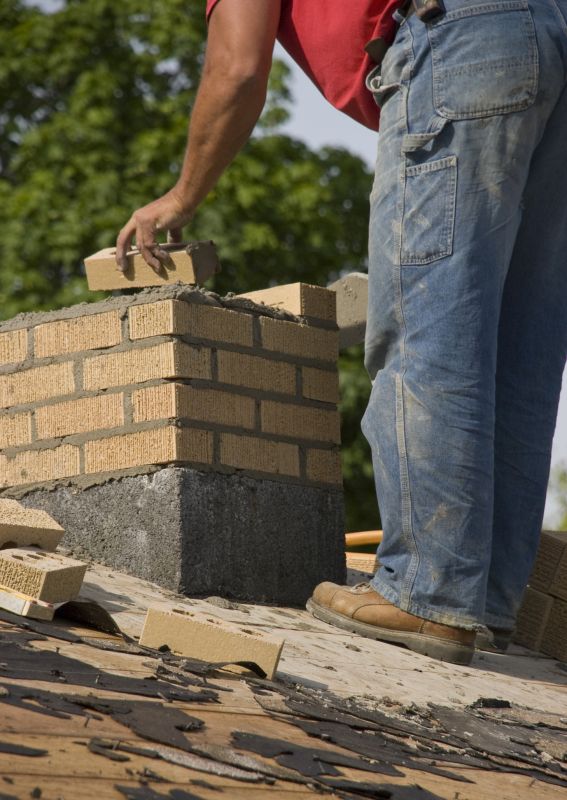
When evaluating local contractors for chimney installation, it’s important to consider their experience with similar projects. Homeowners should seek out service providers who have a proven track record in installing chimneys comparable to the scope and style of their home. An experienced professional is more likely to understand the nuances of different chimney types, materials, and building codes, which can contribute to a smoother process and a result that meets expectations. Asking for details about past projects or viewing portfolios can help gauge a contractor’s familiarity with the specific requirements of chimney installation.
Clear, written expectations are essential for a successful project. Homeowners should look for service providers who can provide detailed written estimates, including the scope of work, materials to be used, and any relevant terms or conditions. Having this information in writing helps prevent misunderstandings and ensures that both parties are aligned on the project’s goals. It’s also beneficial to clarify what the installation process entails and what the homeowner can expect at each stage, fostering transparency and a shared understanding from the outset.
Reputable references and effective communication are key indicators of a dependable local contractor. Homeowners can ask potential service providers for references from previous clients who had similar work done, providing insight into the contractor’s reliability and quality of work. Good communication throughout the process-prompt responses to questions, clarity about procedures, and openness to discussing concerns-can make a significant difference in the overall experience. Remember, this site introduces homeowners to local pros capable of handling chimney installation, but it is the homeowner’s responsibility to evaluate each provider’s experience, expectations, and communication skills to find the best match for their project.
Property owners use Chimney Installation services for practical projects around their homes and businesses. This guide focuses on everyday jobs and straightforward project options.
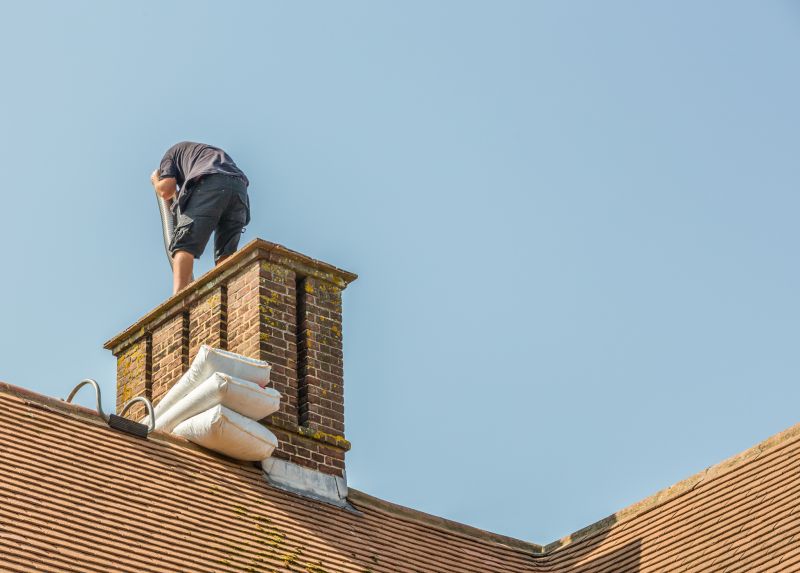
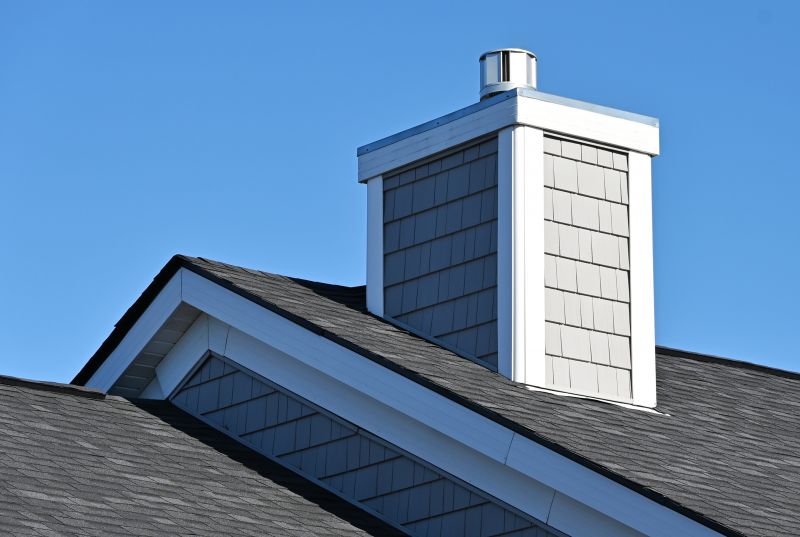
Chimney installation services are often sought by property owners who are upgrading or replacing an aging or damaged chimney to ensure proper venting and safety. Homeowners may also look for local contractors when building a new home that requires a chimney for a fireplace or stove, or when adding a chimney to improve heating efficiency. These projects typically arise from the need to maintain the safety, functionality, and aesthetic appeal of a property’s heating system.
In addition, property owners might seek chimney installation work after noticing issues such as drafts, smoke leaks, or visible damage to the existing chimney structure. Whether due to wear and tear or changes in building codes, local service providers can help ensure that chimney systems are properly installed and compliant with standards. Connecting with experienced contractors can make the process smoother for those looking to improve their home’s ventilation or prepare for seasonal use.
What types of chimneys can local contractors install? Local contractors can install various types of chimneys, including masonry, metal, and prefab options, depending on the structure and homeowner preferences.
How do I know if a chimney installation is suitable for my home? A professional contractor can assess your home's structure and recommend whether a chimney installation is appropriate and what type would work best.
What are the common materials used in chimney installations? Common materials include brick, stainless steel, and aluminum, chosen based on durability, aesthetics, and compatibility with existing structures.
Can local service providers handle both new chimney installations and repairs? Yes, many local contractors offer both installation services for new chimneys and repair or maintenance for existing ones.
What should I consider when choosing a contractor for chimney installation? It’s important to review their experience, reputation, and the range of services offered to ensure they can meet your specific needs.
Chimney Installation for New Homes - Property owners building a new residence can explore local contractors to install a functional chimney that enhances heating options and aesthetic appeal.
Upgrading an Existing Fireplace - Homeowners looking to improve their current fireplace setup may find local pros who can install or upgrade chimneys for better performance and safety.
Adding a Decorative Chimney Structure - Those interested in architectural features can work with local service providers to incorporate decorative chimneys that complement their property's style.
Retrofitting for Energy Efficiency - Property owners seeking to optimize heating efficiency might connect with local contractors to install or modify chimneys for improved airflow and insulation.
If you are thinking about Chimney Installation for a property, this guide is meant to help you understand the work, the typical project types, and how different options might fit your plans.
When you are ready, you can use the quote form on this page to share a few details about your project. From there, local pros can review the basics and respond with options that match what you have in mind.